

- Published on
Odd Even Pricing: The Secret Spell That Seduces Shoppers
What is odd-even pricing?
Odd-even pricing is a simple pricing method where a product's price ends in either an odd number, like $9.99, $4.95, or $1,499, or an even number such as $50.00 or $120.00 to shape how shoppers perceive value. Odd endings usually make an item feel more affordable or discounted, which is why you see them used so often in retail and online stores. Even endings, on the other hand, tend to feel more polished, premium, and trustworthy, making them common in luxury or professional services.
For example, a grocery item might be priced at $2.99 instead of $3.00 to highlight savings, while a high-end fragrance might be priced at $150.00 to strengthen its upscale positioning.
It's good to remember that odd-even pricing concept is less about the literal odd or even last digit and more about whether a price feels just under a round number to make it seem like a better deal.
Psychology behind odd-even pricing
Odd-even pricing is largely based on a psychological principle known as the "left-digit effect". Because we read numbers from left to right, our attention naturally focuses on the first digit we see, while the digits that follow carry less weight in our perception. This is one of several psychological levers that shape a price point - alongside anchoring, bundling, and decoy pricing.
In a 2005 research study, participants were asked how much they could buy with $73. When prices ended in .00, their estimates were lower, but when the same prices ended in .99, people consistently believed they could purchase more.
This demonstrates that our judgments about prices are anchored to the leftmost digit. For example, a consumer might see $5.98 and think of it as "around 5 dollars", or view $385 as "three hundred and some euros", even though the difference is more, which can lead people to underestimate the actual cost of a product.
Brief history
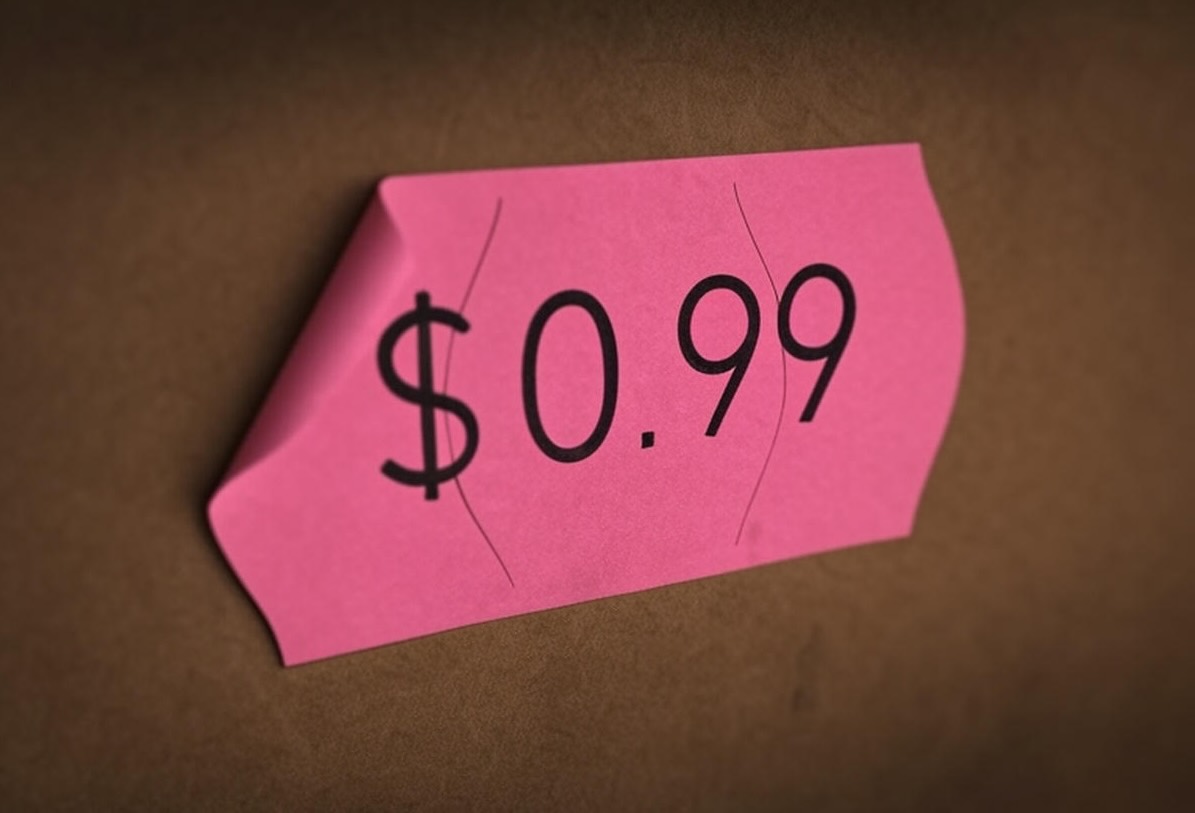
A common historical explanation for odd-ending prices traces back to the problem of dishonest cashiers. When items were priced at whole numbers, a cashier could simply pocket the bill without opening the cash drawer, leaving no paper trail. But pricing something at $0.99 forced the cashier to open the register to provide change, ensuring the transaction was recorded.
This extra step added a small but meaningful safeguard against skimming. Over time, merchants also began to notice that these just-below-round prices didn't just improve accountability — they actually boosted sales. Customers perceived items ending in .99 as cheaper and more appealing, so the practice quickly evolved from a practical safeguard into a deliberate pricing strategy.
Are odd or even numbers better for pricing?
Well, whether odd or even numbers work better for pricing depends on your product, audience, and brand image. A recent analysis found that prices ending in 9 can boost sales and influence consumer perception, but the effect varies depending on product category and brand positioning. With these factors in mind, it’s best to experiment with charm pricing rather than treat it as a one‑size‑fits‑all trick for every product.
Still, despite these variations, many businesses stick to a well-established practice: using odd numbers ending in .99 for everyday or bargain items. Odd numbers, like $9.99 or $4.95, are often used because they make prices feel smaller and more affordable, which can lead to higher sales.
On the other hand, round even numbers, like $50.00 or $120.00, are associated with quality, luxury, and trust. Premium brands often use even pricing to give products a polished, high-end feel.
For marketers, the key is to match the price ending to customer expectations: use odd pricing to drive sales volume in cost-sensitive markets and even pricing to reinforce a premium or professional image. This strategy can significantly impact conversions, revenue, and brand perception. For a deeper look at how to align your prices with perceived value and positioning in your market, see our price positioning article.
Odd-even pricing strategy considerations
Let’s take a closer look at the factors that make this strategy effective.
Target market
Different types of customers respond differently to price endings. Bargain-conscious shoppers tend to react strongly to odd-ending prices like $9.99, perceiving them as better deals, while premium buyers often prefer even, round numbers that convey quality and trust. For example, a coffee shop pricing a latte at $3.95 instead of $4.00 may subtly encourage more purchases among thrifty customers.
Product type
Everyday items, fast-moving consumer goods, and lower-cost products often benefit from odd pricing, while high-value or luxury products are better suited to even pricing to convey sophistication and stability.
Brand image
Your pricing should reflect your brand's positioning. A budget-friendly brand can use odd pricing to highlight affordability, while a high-end brand should favor even pricing to reinforce a premium perception.
Price elasticity of demand
Understanding how sensitive your customers are to price changes is key. For products with elastic demand, small differences in price endings, like $9.99 versus $10.00, can noticeably boost sales. For inelastic products, such as high-end or essential items, these small changes have little impact. Knowing your product's price sensitivity helps you apply odd-even pricing effectively without harming revenue or brand image.
Competitor pricing
It's important to consider how competitors price similar products. For a deeper look at how to evaluate competitor strategies and position your prices better, see our competitor pricing analysis article. Matching or slightly undercutting their prices can increase appeal, and the choice of odd prices or even prices can reinforce your positioning relative to them. Using competitor price tracking tools like PriceOtus can can make this process easier by providing real-time insights into competitor pricing strategies, helping you adjust your prices strategically without constant manual monitoring.
Sales revenue
The ultimate goal is to optimize revenue. Odd-even pricing can influence both purchase decisions and order size, but careful testing and monitoring are essential to ensure that pricing changes actually improve revenue rather than just perception. For instance, some retailers test prices ending in .97 versus .99 to see which drives more conversions, even when the actual difference is minimal.
Who use it?
Many well-known companies across retail, e-commerce, and hospitality use odd-even pricing to subtly influence consumer perception and drive sales. Retail giants like Walmart and Target often use odd prices such as $9.97 or $19.95 to make products appear more affordable, while seasonal promotions may adjust endings slightly to indicate clearance or special discounts. Similarly, e-commerce platforms like Amazon frequently use prices ending in .99 or .97 for mid-tier products, leveraging the left-digit effect to boost conversion rates and encourage impulse purchases. Research and internal data show that such small adjustments can increase sales volume by several percentage points without significantly impacting margins.
Luxury and premium brands also adopt odd-even pricing, but in a more selective way. Brands like Apple and Rolex often use even, round numbers ($999, $1,500) to maintain a polished, high-end image and convey quality and stability. In some cases, odd-ending prices are used for lower-tier or promotional products within the same brand to target a more price-sensitive segment without diluting the overall premium perception. Across industries, companies that systematically test and monitor price endings, rather than applying them arbitrarily, report better alignment between pricing, brand image, and revenue goals.
Conclusion
Odd-even pricing is more than just a clever trick — it's a strategic tool that leverages how consumers perceive numbers to influence purchasing decisions. While odd prices like $9.99 can make prices feel smaller and encourage sales, even endings signal quality, trust, and premium positioning. Its effectiveness depends on factors such as target market, product type, brand image, price sensitivity, and competitor pricing. Research shows that charm pricing can impact perception and behavior, but results vary, making testing and context essential. Ultimately, when used thoughtfully, odd-even pricing can help businesses optimize sales, reinforce brand positioning, and subtly guide consumer choices.